Coastal Ecosystem
Adoption Program
A long-term initiative to protect and restore coral reefs, seagrass meadows, and mangrove forests through collaborative, science-based Nature-based Solutions.
Follow the journey of our conservation programs and discover the lasting impact of collective action.
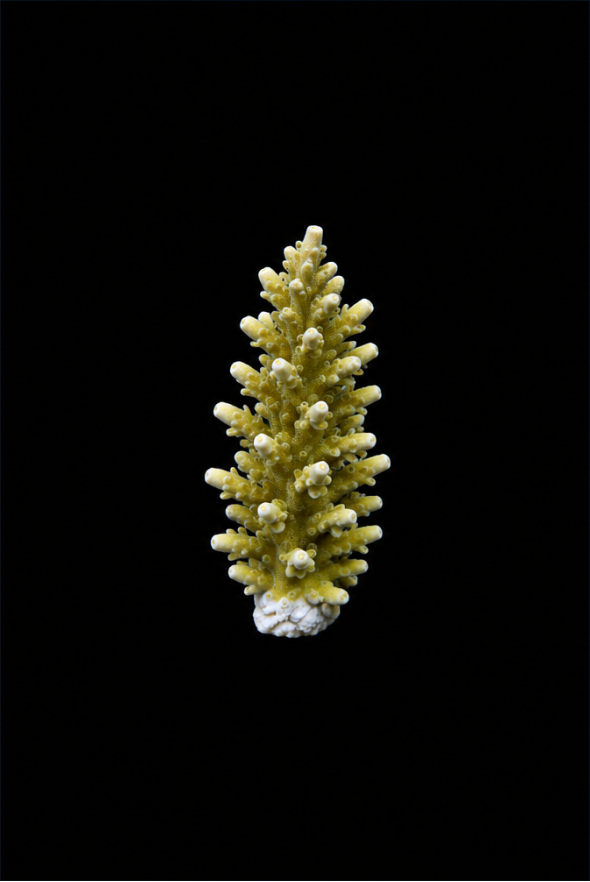
A healthier reef can begin with a single coral fragment. Your adoption supports its cultivation and growth until it is ready to be outplanted onto a natural reef and contribute to ecosystem recovery.
You’ll receive:
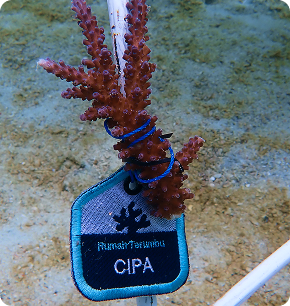
• Adoption Tag ID
• Digital Adoption Certificate
• Restoration Site Location
• Planting and Monitoring Photos
• Monitoring Activity Updates, When Available
• Periodic Data Report Updates
Each adopted coral, mangrove seedling, or seagrass restoration plot will be assigned a unique Tag ID linked to its location, documentation, and monitoring records.
Monitoring Note:
Monitoring schedules may vary depending on field conditions and available program resources. Photos, progress information, and data reports will be updated whenever new monitoring activities are completed.
FAQs
What is a coral microfragment?
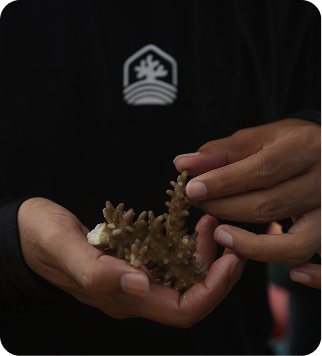
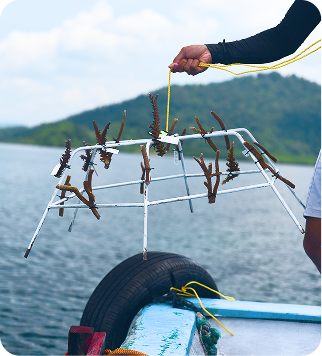
A coral microfragment is a small piece of healthy coral cultivated under controlled conditions. As it grows, it may fuse with nearby fragments before being outplanted onto a selected restoration site.
How quickly will it grow?
Growth rates vary depending on the coral species, environmental conditions, and restoration method. Each fragment will be monitored and maintained until it is ready for outplanting.
Where will it be outplanted?
Your coral will be placed at a selected restoration site based on ecological assessments and field conditions. Its site location and Tag ID will be included in your adoption record.
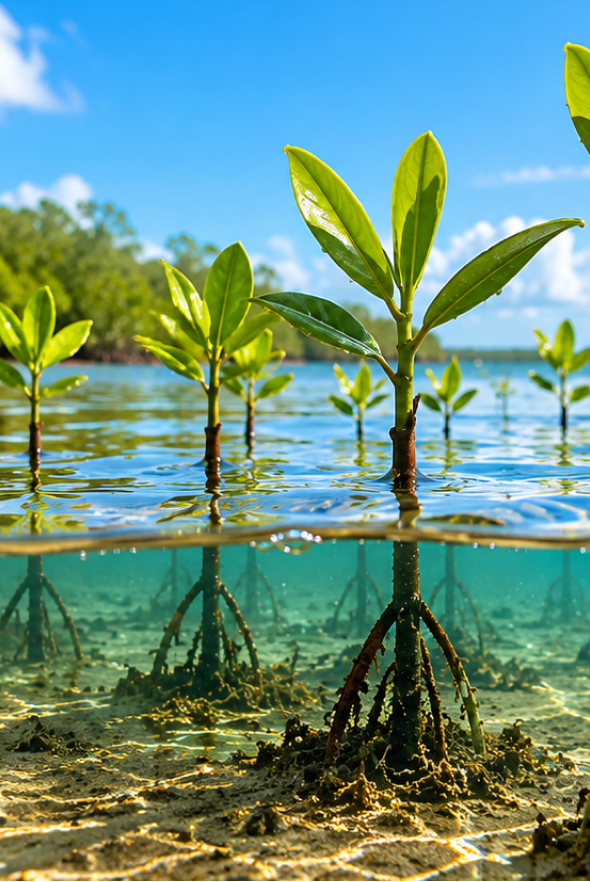
A more resilient coastline can begin with a single mangrove seedling. Your adoption supports its planting, care, and growth as it helps protect the shoreline, store carbon, and provide habitat for coastal wildlife.
You’ll receive:
• Adoption Tag ID
• Digital Adoption Certificate
• Restoration Site Location
• Planting and Monitoring Photos
• Monitoring Activity Updates, When Available
• Periodic Data Report Updates
Each adopted coral, mangrove seedling, or seagrass restoration plot will be assigned a unique Tag ID linked to its location, documentation, and monitoring records.
Monitoring Note:
Monitoring schedules may vary depending on field conditions and available program resources. Photos, progress information, and data reports will be updated whenever new monitoring activities are completed.
FAQs
What is a mangrove seedling?
A mangrove seedling is a young mangrove plant prepared for restoration planting. Each seedling is assigned a unique Tag ID and documented as part of the adoption program.
How fast does a mangrove grow?
Growth rates vary depending on the mangrove species, tidal conditions, water quality, sediment, and site suitability. With proper conditions, the seedling will gradually establish its roots and develop into a stronger coastal tree.
Where will it be planted?
The mangrove seedling will be planted at a selected restoration site based on ecological assessments and field conditions. The site location and unique Tag ID will be included in your adoption record.
A restored reef starts here with one coral fragment. Your adoption will create and grow a coral microfragment until it’s ready to fuse with its neighbors and be planted back into the ocean.
You’ll receive:
• Adoption Tag ID
• Digital Adoption Certificate
• Restoration Site Location
• Planting and Monitoring Photos
• Monitoring Activity Updates, When Available
• Periodic Data Report Updates
Each adopted coral, mangrove seedling, or seagrass restoration plot will be assigned a unique Tag ID linked to its location, documentation, and monitoring records.
Monitoring Note:
Monitoring schedules may vary depending on field conditions and available program resources. Photos, progress information, and data reports will be updated whenever new monitoring activities are completed.
FAQs
What is a seagrass restoration plot?
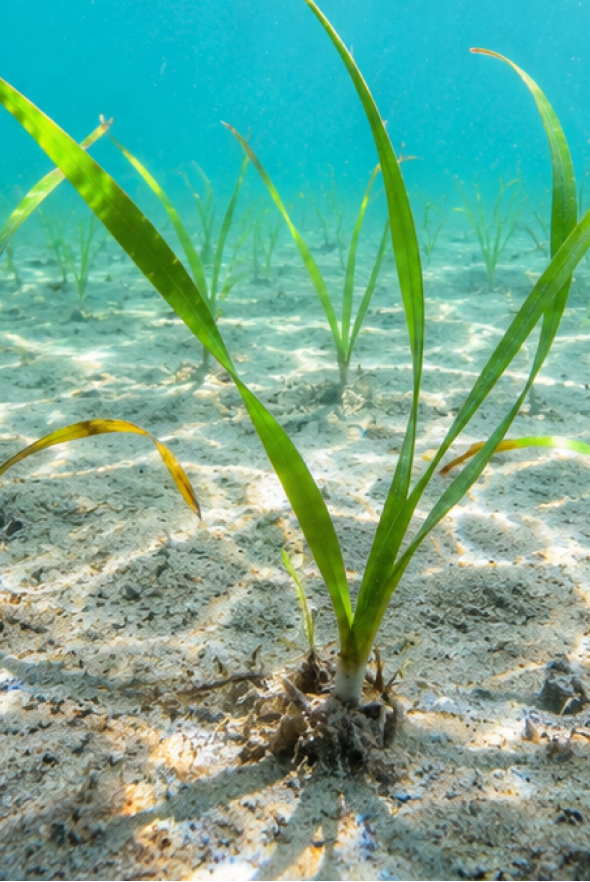
A seagrass restoration plot is a designated area where seagrass shoots are transplanted to help restore a damaged or declining meadow. Each plot is identified, documented, and monitored as part of the restoration program.
How fast does seagrass grow?
Growth rates vary depending on the seagrass species, water quality, sediment conditions, and surrounding environment. New shoots may gradually establish and spread when conditions are suitable.
Where will it be transplanted?
The seagrass will be transplanted at a selected restoration site based on ecological assessments and field conditions. The site location and unique Tag ID will be included in your adoption record.
Four Steps to Make an Impact
How Your Adoption Works
Making Every Action Matter
See how our collective efforts are restoring marine ecosystems and creating lasting impact.
A growing network of volunteers, adopters, and partners working together to support marine conservation and ecosystem restoration
Individuals and partners who support marine ecosystem restoration through adoption and long-term conservation contributions
A designated area for monitoring ecosystem health, restoration progress, and environmental changes over time
Coral fragments, mangrove seedlings, and seagrass shoots have been planted and monitored to accelerate ecosystem recovery and strengthen coastal resilience